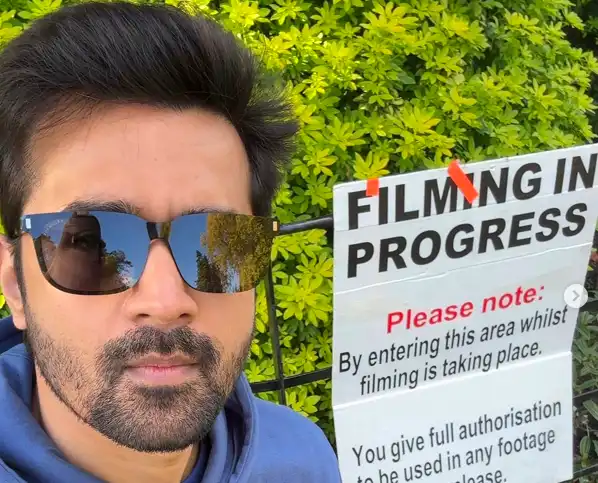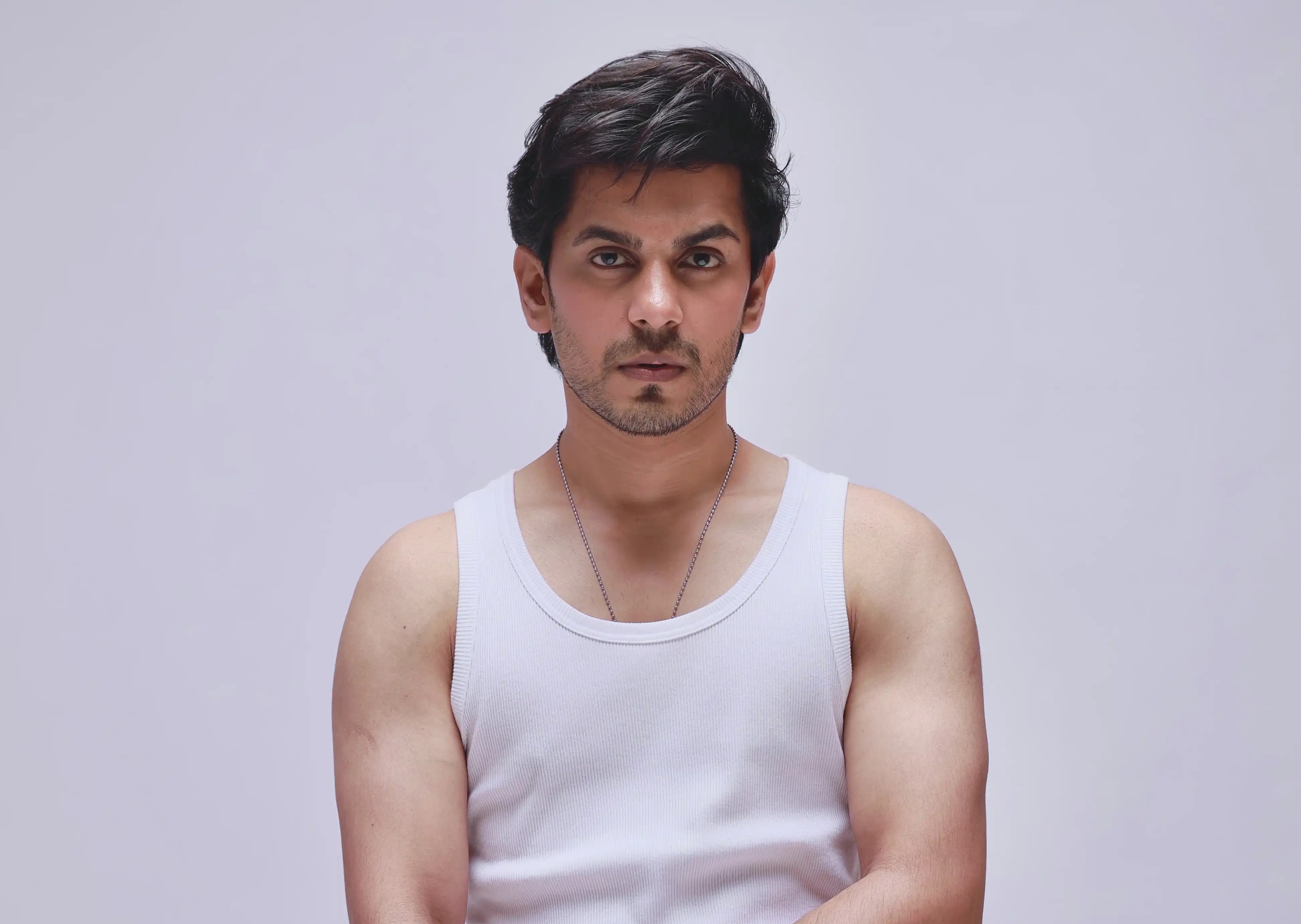
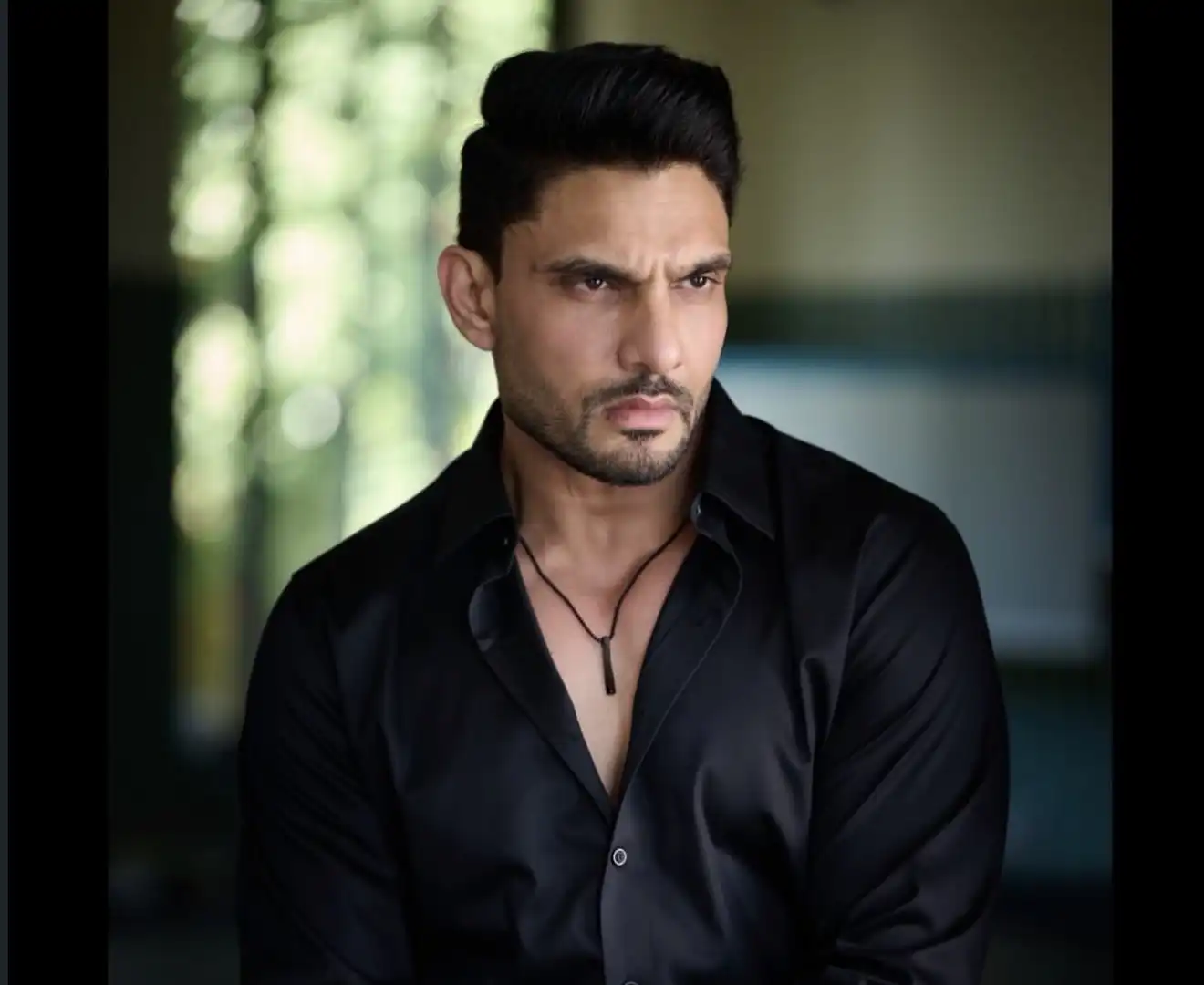
Actor Amal Sehrawat, who has worked across television and the digital space, believes the growing use of artificial intelligence and deepfake technology has made the conversation around consent and an actor’s digital identity more important than ever. Known for his roles as Jagga in Colors TV’s Choti Sarrdaarni and Sangram Singh in Star Plus’ Yeh Rishta Kya Kehlata Hai, Amal has also been part of digital projects including Vikram Bhatt’s Untouchables, Habib Faisal’s Home and Apoorva Lakhia’s Crackdown.
Speaking about why deepfakes have become a more urgent concern, Amal points out that technology has made it increasingly easy to reproduce a person’s appearance and voice. “As an actor, my face, voice and expressions are part of my professional identity. What has changed is how easily technology can now reproduce those things and make something completely fabricated look real. Earlier, you needed a certain level of expertise to manipulate someone’s image convincingly. Today, that barrier is much lower. That makes the issue much more personal for actors because our identity itself can be used without our knowledge or consent,” he says.
The actor feels this also changes the way celebrities have to look at their presence online. In a world where simply seeing a video is no longer enough to establish whether something actually happened, Amal believes the trust between actors and audiences can be affected. “It does. As actors, we spend years building a certain relationship with the audience. They recognise our face, our voice and the way we speak. If someone can use those things to make me appear to say or do something I never did, it can affect that trust. So I’m definitely more conscious about my digital presence. At the same time, I don’t want to become so cautious that I stop expressing myself. I think the answer is awareness, not fear,” he explains.
While AI has often been discussed in terms of its potential risks, Amal does not believe the technology itself is necessarily the problem. He sees possibilities for it in filmmaking and storytelling, but feels that consent needs to remain at the centre of how it is used. “I don’t think AI itself is the problem. As an actor, I can see how powerful it could be for storytelling, visual effects and filmmaking. The concern is what happens when that technology crosses the line of consent. If my likeness is being used for a character or creative project with my knowledge and permission, that’s one conversation. If somebody takes my face and voice and creates something without asking me, that’s completely different. The technology may be new, but the basic principle is very simple: my identity shouldn’t be used without my consent,” Amal says.
According to the actor, AI-generated content also differs from some of the image manipulation celebrities have dealt with in the past because of how realistic it can appear. “The difference is the level of realism. Actors have always had photographs edited or statements taken out of context, but there was usually some distance between the manipulation and reality. With AI, someone can potentially make you appear to speak in your own voice, move in your own way and say something you never said. For an actor, that’s particularly unsettling because our face and voice are literally our professional tools. It isn’t simply about protecting a photograph anymore; it’s about protecting your identity and your performance,” he shares.
Amal also believes that responsibility cannot rest with just one person when manipulated content goes viral. He feels that creators, platforms and audiences all have a role to play. “There should be accountability at every stage. The creator has the first responsibility because they made it. Platforms have a responsibility to respond quickly when manipulated content is reported, particularly when someone’s identity is being misused. And the audience also has a role, people should think before sharing something simply because it looks convincing. For an actor, by the time you discover a fake video, millions of people may already have seen it. The damage can happen much faster than the correction,” he says.
At the same time, Amal feels audiences need to become more conscious consumers of digital content. “Yes, absolutely. Actors depend on the audience’s trust, and today that trust has to work both ways. If you see a video of an actor saying something shocking, you shouldn’t immediately assume it’s real. Take a moment, look at where it came from and see whether there is any credible confirmation. A share may seem like a small action, but when millions of people do it, it can turn a completely fabricated piece of content into something that people believe is true,” he explains.
As AI becomes increasingly integrated into filmmaking and content creation, Amal sees both creative possibilities and challenges for performers. “Potentially both. I’m actually excited by what AI can bring to filmmaking. Technology has always changed cinema, from cameras and sound to visual effects and digital filmmaking, and actors have adapted alongside those changes. But there has to be a line between using technology to enhance a performance and replacing or reproducing someone’s identity without their permission,” he says.
For Amal, that line ultimately comes down to one important principle. “For me, the most important word is consent. If an actor agrees to how their face, voice or performance is being used, that’s a creative conversation. If it’s done without them knowing, it becomes an issue of identity and ownership. I think AI should give actors more creative possibilities, not take away their right to decide where and how their own likeness is used,” he concludes.