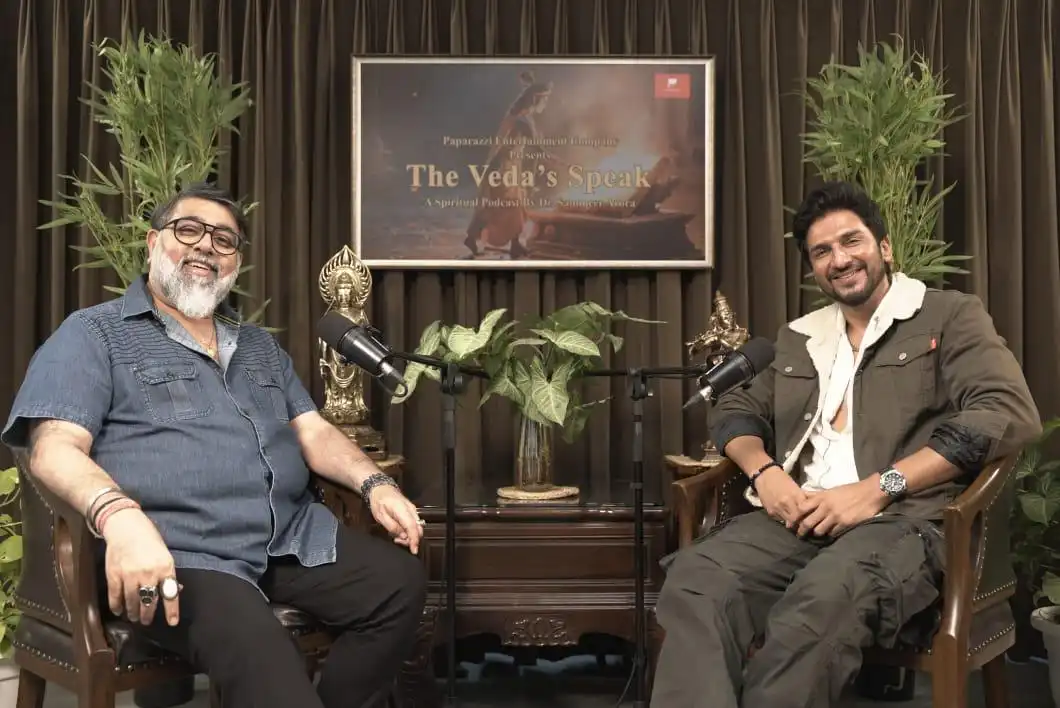
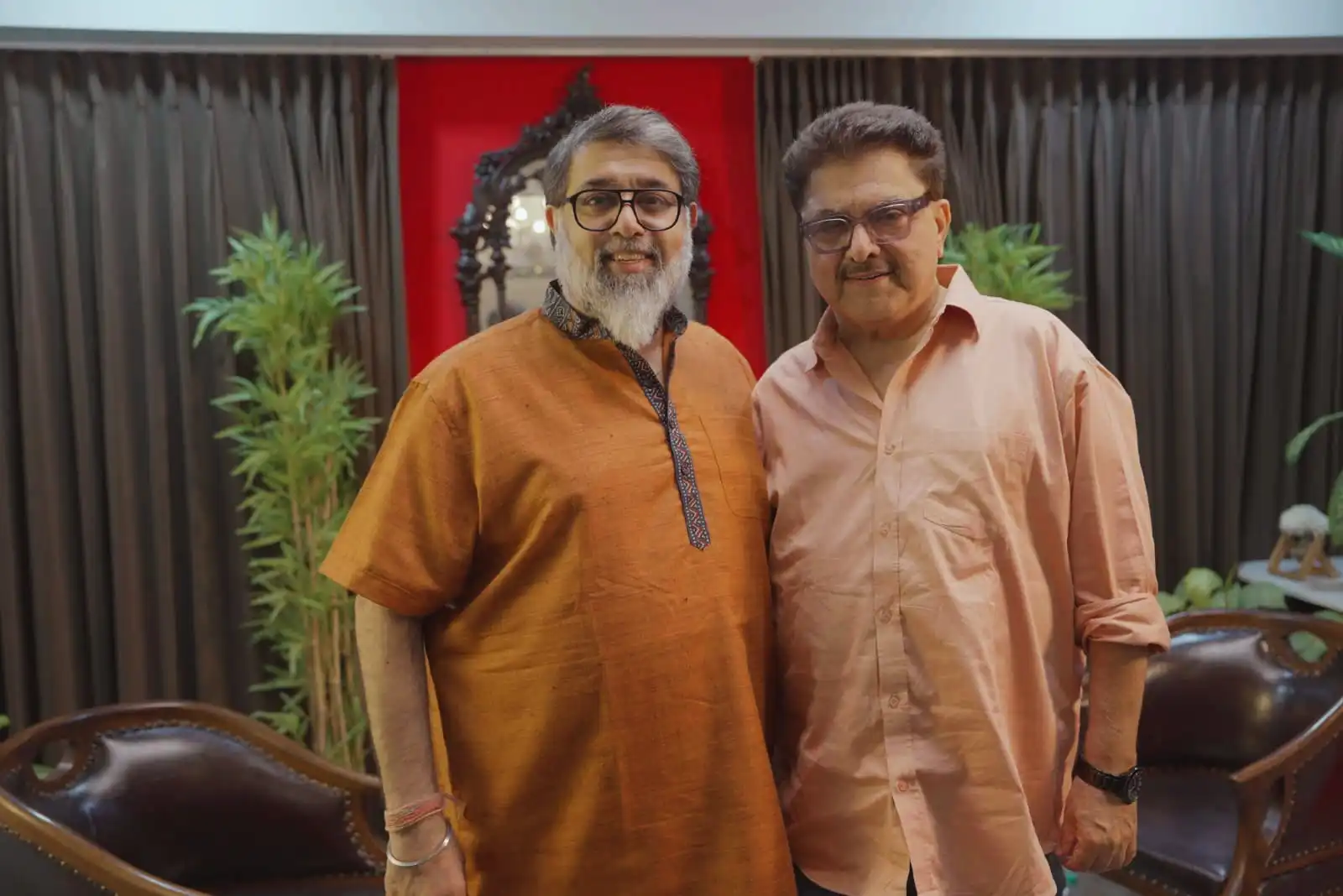
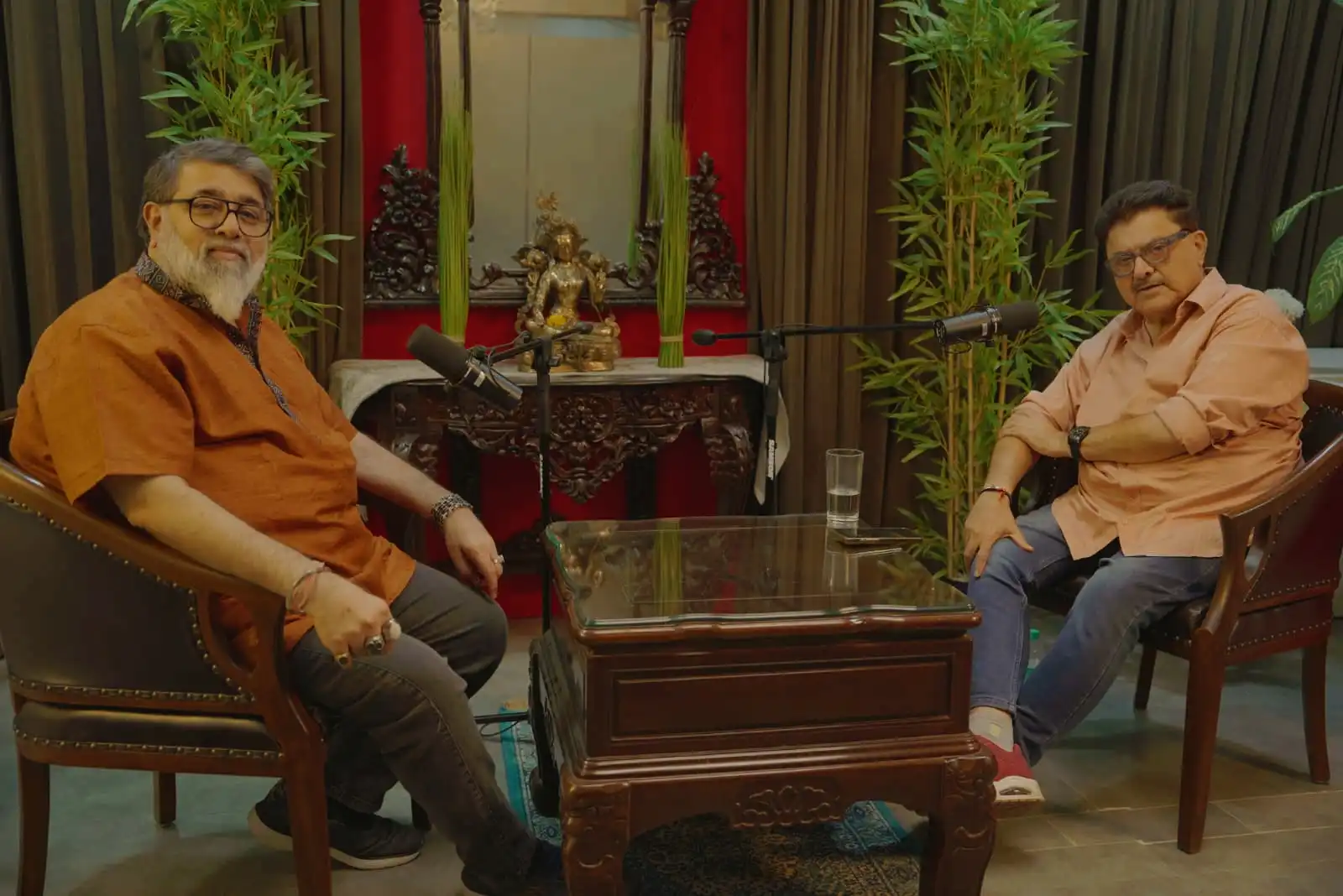
Filmmaker Ashoke Pandit is not someone who talks about what he has done. Recently he was on The Vedas Speak, a podcast produced by Ajinkya Jadhav’s Paparazzi Entertainment and hosted by Dr. Sammeer Arora. Ask him about his work, his reach, or the number of lives he has touched, and he will redirect the credit almost immediately to his parents, his guru, and something larger than himself.
When asked where his ability to manage so many roles and always show up for people comes from, he said, “I give all the credit to my parents and my Guru. I don’t believe I have the power to help anyone on my own. If I am able to do something, it is because the Almighty has chosen me for that moment. I am just a medium. I have always stayed away from the arrogance of saying ‘I did this.’ My upbringing taught me that ego destroys you, so I try to remain grounded.”
That groundedness shows up in how he treats people too. On why he speaks up when others stay silent, he said, “If your intention is pure and you don’t have a personal agenda, things fall into place. People understand that you are helping genuinely. I believe in treating everyone equally, whether it’s a senior officer or a worker. At the end of the day, everyone is human, and respect should not depend on someone’s position.”
His spirituality is not something he wears on his sleeve. It runs deeper than rituals. He said, “I come from a deeply spiritual family, but spirituality is not just about rituals; it is about humanity. My gurus and my parents taught me that helping others, being kind, and staying grateful are the real meaning of spirituality. Gratitude is very important. Even small acts like thanking people who help you or respecting nature matter a lot.”
On the state of nature today, he was direct. He said, “We have forgotten to respect nature. We destroy trees, mountains, and rivers, and then we question why disasters happen. Nature reacts. We need to let everything live, trees, animals, and humans. No one has the right to harm another life.”
The same generosity that shapes his worldview shaped his home growing up. He said, “That’s how I was raised. My mother believed that if your home is spiritual, it becomes like a temple. Anyone who came to our house had to eat. Whether 10 people came or 100, food was always enough. This upbringing taught me that life is not just about you; you must share whatever you have with others.”
Kashmir is a subject he cannot speak about without emotion. He made a film called Sheen long before The Kashmir Files brought the exodus into mainstream conversation. On how close that film was to reality, he said, “It showed exactly what we went through. When Vivek Agnihotri made The Kashmir Files, times had changed and people were more aware. The pain and trauma shown in the film are very real and something that can never be forgotten.”
For those who called it propaganda, he had a clear response. He said, “I feel it is very unfortunate when people call such films propaganda. What Vivek showed in The Kashmir Files is not even 25% of what actually happened. He made a very controlled film just to create awareness. Today, people connected with it because the entire country has experienced terrorism in some form. We are all thankful to Vivek Agnihotri for making this film because he chose to tell this story honestly.”
On the criticism that such films fuel division, he said, “We are not targeting any religion. We are talking about terrorism. A terrorist is a terrorist, irrespective of religion. If someone uses religion to justify violence, that should be condemned. As filmmakers, we cannot go to the borders, but we can do our duty by showing the truth.”
Away from the controversy, he spoke about Kashmir the way someone speaks about a place they carry inside them. He said, “Kashmir is all about romance—romance with nature, with people, and even with God. Its essence is love and peace. Bloodshed does not belong there; it goes completely against its nature.”
During COVID, when the industry was struggling, he was one of the people quietly making sure workers didn’t fall through the cracks. He said, “It was all about teamwork and intention. Through our associations, we collected data of thousands of workers and directly connected them with people who wanted to help. Many big names from the industry came forward, and money was transferred directly into workers’ accounts. We also arranged for rations and medical help. The entire industry stood united, and that is something I am very proud of.”
“People don’t see the human side of this industry. During COVID, when everyone was struggling, it was our industry that kept people mentally stable through entertainment. Many people also helped silently without seeking credit. We are a very humane and united industry, and I feel the country should be proud of that,” Ashoke added.