For generations, spirituality in India followed a familiar rhythm—early morning temple visits, festival calendars, and rituals passed down within families. Today, that rhythm hasn’t disappeared, but it’s evolving.
Across urban India, devotion is becoming more flexible, more personal, and easier to fit into the flow of daily life.
The reasons are practical. Longer commutes, demanding work schedules, and smaller households mean people don’t always have the time—or proximity—to engage with faith in the traditional way. Instead, many are planning their spiritual activities in advance, booking rituals online, or even participating remotely. The essence of devotion remains intact, but the way people access it is changing.
At the centre of this shift are platforms like SwaDharma, which take a slightly different approach from typical digital marketplaces. Rather than acting as intermediaries, the platform focuses on building digital infrastructure for temples themselves—allowing them to manage operations, engage with devotees, and handle transactions independently.
Its core offering, the “SwaDharma Stack,” brings together payments, donations, identity systems, and communication tools into one unified framework. The idea is simple: organize what has long been a fragmented ecosystem, without interfering with the sanctity of rituals.
“India’s faith ecosystem has always had scale and continuity, but its digital layer has been fragmented,” says Amit Bhardwaj, Co-founder and CEO. “The aim is to bring structure and transparency while preserving authenticity.”
This approach is also helping address longstanding inefficiencies—whether it’s managing large volumes of devotees, ensuring compliance, or reducing reliance on informal intermediaries. From online pooja bookings to structured access to rituals, temples are gradually becoming more accessible without losing their traditional core.
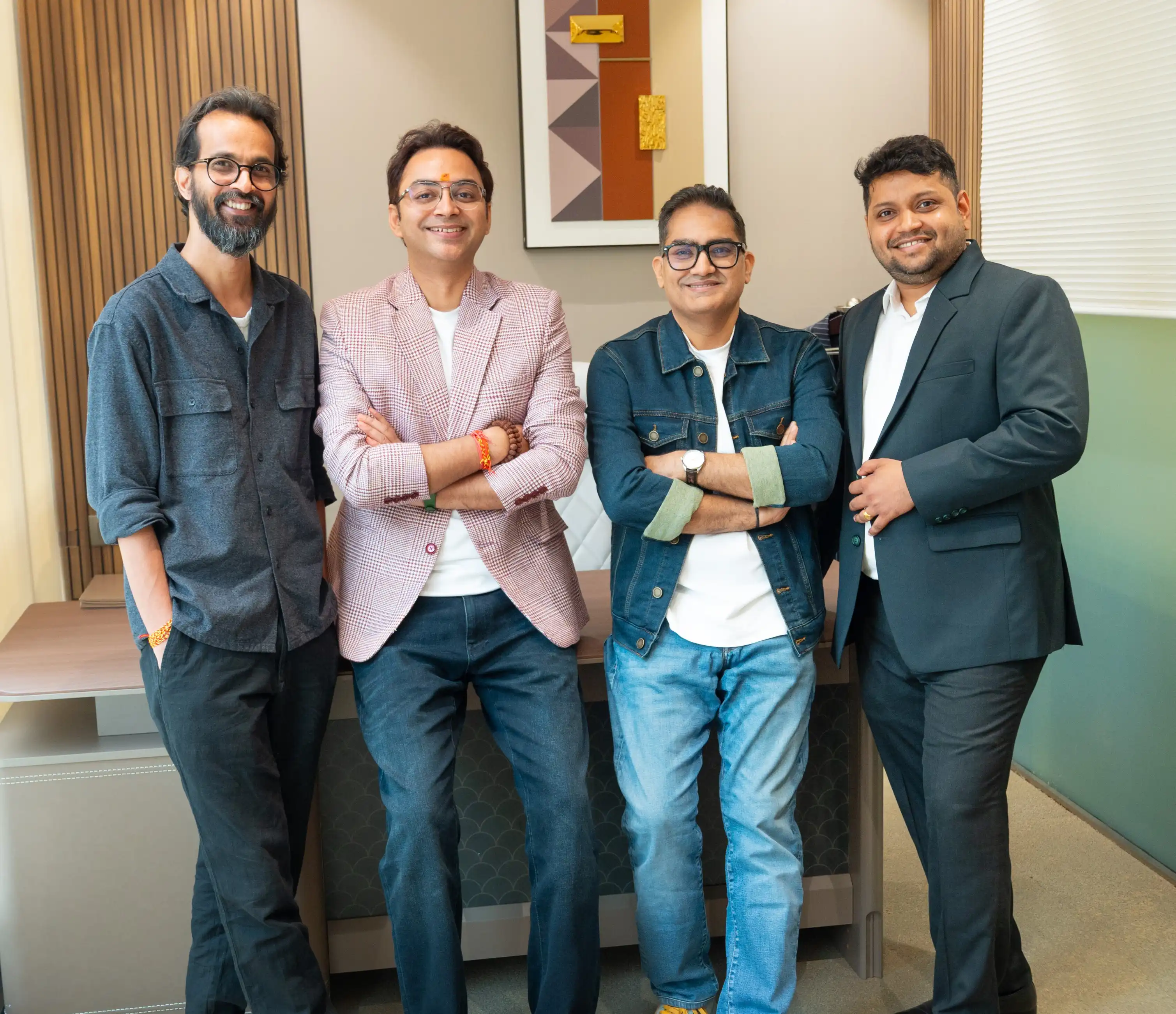
Behind the scenes, teams led by leaders like Sharad Kamath are building technology specifically tailored to temple ecosystems, while Pratyush Ambuj is focused on helping temples establish direct relationships with devotees. Meanwhile, Amit Kumar is working on expanding reach—particularly for historically significant but under-visited temples.
The early traction signals growing interest. Over 100 temples are already on the platform, connecting with more than 10 lakh worshippers and facilitating transactions worth ₹100 crores. More importantly, it reflects a broader shift—people aren’t moving away from spirituality; they’re finding new ways to stay connected.