
Burnout is often associated with emotional exhaustion, mental fatigue, and an overwhelming sense of stress. However, one of its lesser known effects is how visibly it can alter your appearance. If your skin looks dull despite following a skincare routine, your eyes appear tired, your hair is shedding more than usual, or you’re noticing early greying and dark circles, chronic stress may be playing a much bigger role than you realise.
The reason lies beneath the surface. When the body is exposed to ongoing stress, it activates its natural fight-or-flight response,a protective mechanism designed to help us respond to immediate threats. While this response is beneficial in short bursts, remaining in this heightened state for extended periods because of demanding work schedules, emotional strain, or inadequate recovery can begin to take a toll on the body.
During prolonged stress, the body’s resources are directed towards keeping vital organs such as the brain, heart, and lungs functioning optimally. As a result, systems that support skin and hair health receive less attention. Reduced blood circulation and nutrient delivery to these tissues can gradually contribute to dullness, slower skin renewal, increased hair fall, premature greying, and the loss of a naturally healthy complexion.
Stress also influences the endocrine system, which regulates hormones essential for maintaining healthy skin, balanced energy levels, and overall wellbeing. Hormonal imbalances triggered by chronic stress may leave the skin looking lacklustre while causing persistent fatigue, even when a person is getting adequate sleep.
Treating burnout requires looking beyond skincare products or cosmetic procedures alone
Although quality sleep is an important part of recovery, it is rarely enough on its own to undo the effects of long-term stress. Every cell in the body depends on mitochondria,thetiny structures responsible for generating energy to perform essential functions such as tissue repair, collagen production, physical performance, and mental focus. Prolonged stress can reduce the efficiency of these energy producing structures, making it harder for the body to repair itself. The result is slower recovery, ongoing tiredness, reduced vitality, and visible signs of ageing that may appear earlier than expected.
Another often overlooked consequence of burnout is its effect on the lymphatic system, which helps remove waste products and maintain healthy fluid balance. When stress slows this system, waste clearance becomes less efficient, potentially leading to puffiness, inflammation, and an overall tired looking appearance.
Treating burnout requires looking beyond skincare products or cosmetic procedures alone. While these may improve the appearance of the skin, lasting results depend on addressing the root cause. Effective stress management, restorative sleep, balanced nutrition, regular physical activity, and allowing the body sufficient time to recover all play a vital role in restoring energy, supporting healthier skin, and improving overall wellbeing.
Our appearance often mirrors our internal health. Paying attention to the early signs of burnout and taking proactive steps to restore balance can help improve not just how we look, but also how we feel. True radiance comes from a healthy body, sustained energy, and adequate recovery.
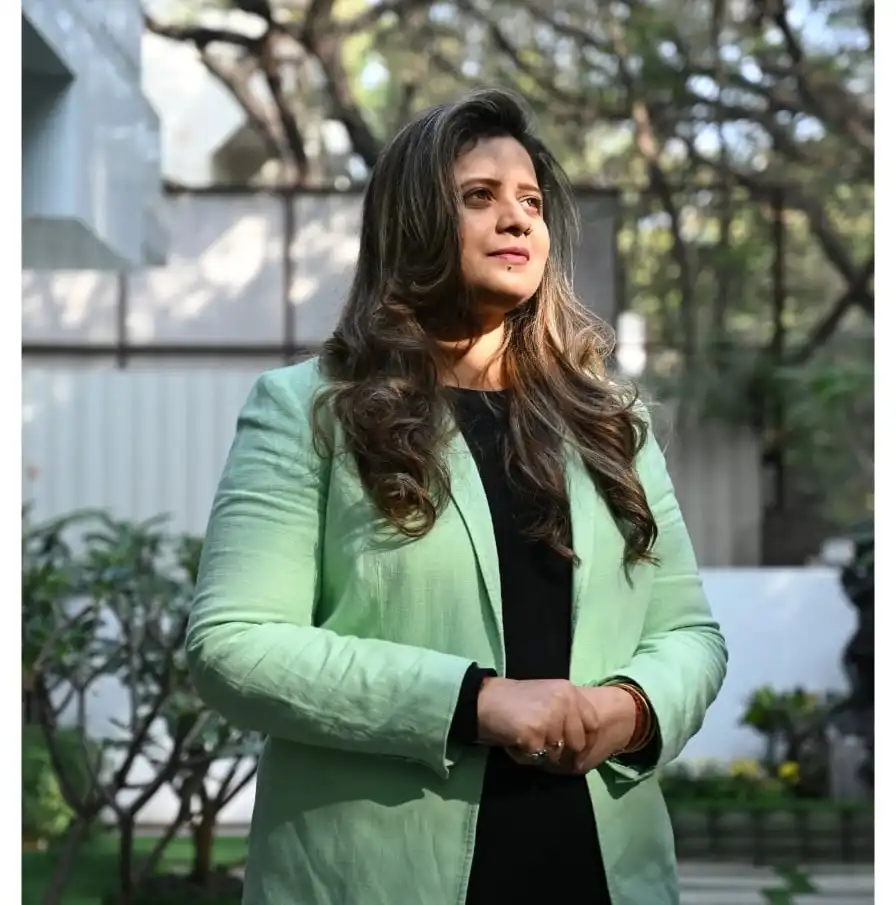
(This article is authored by Dr Aishwarya Selavaraj of Bio Revive)