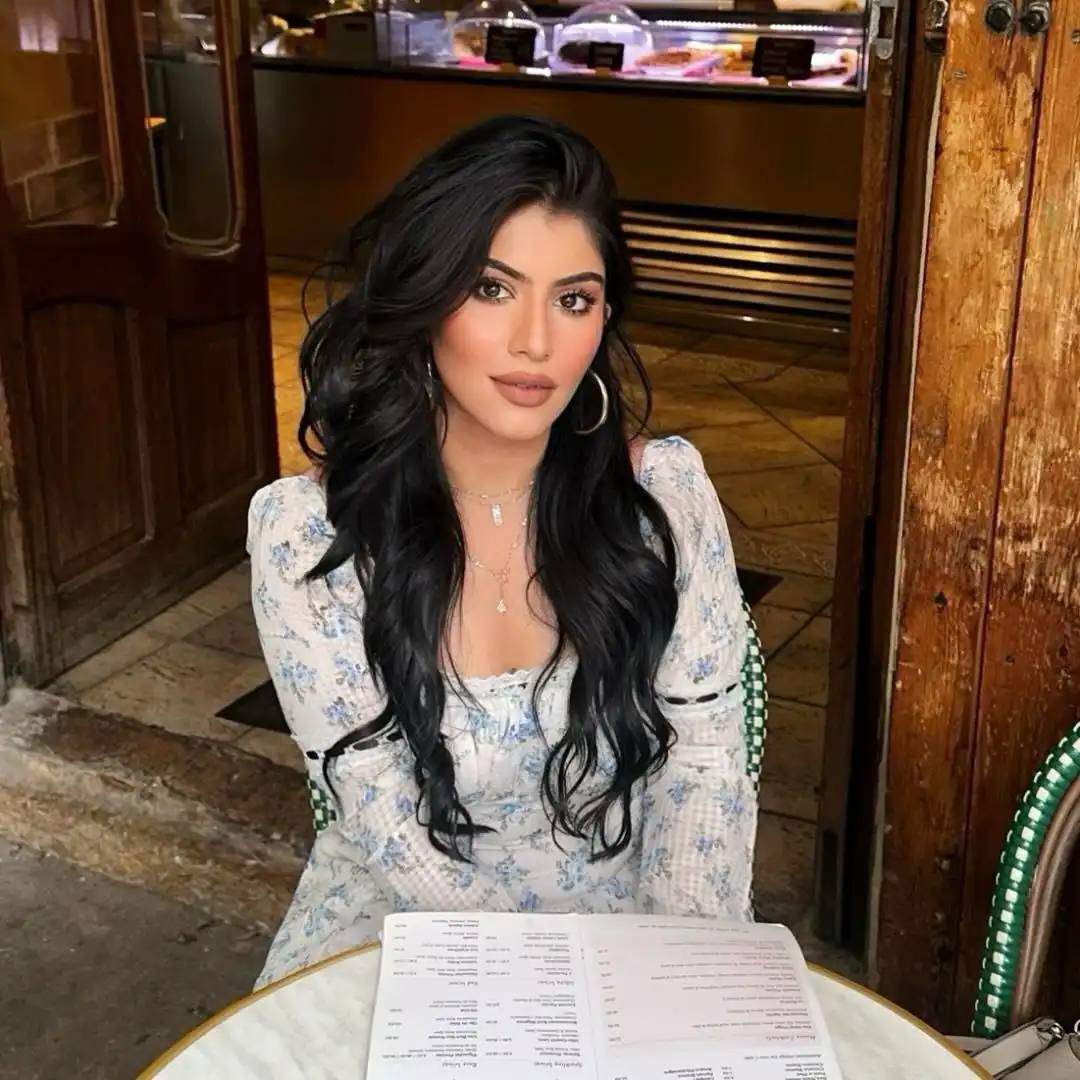
There wasn’t one defining moment that led to the creation of Mokai; rather, it was a gradual realisation shaped by experience. Having spent time in cafés across different cities, Karreena Bulchandani felt that Mumbai had room for something more intuitive and personal. As she puts it, “I didn’t want to replicate an existing format, but create a space that felt immersive and layered.” For her, the gap lay in building a café that people could connect with beyond just consumption.
Her global upbringing—across China, Singapore, and London—played a defining role in shaping Mokai’s identity. In Asia, cafés often felt deeply personal and rooted in routine, while in London, they leaned towards design-led, culture-driven spaces. This contrast informed her approach. “I think of spaces as experiences—how they make you feel and the memories they create,” she says, emphasising a perspective that goes beyond function.
We stay true to the essence of the flavours, while making them familiar and easy to enjoy
The idea of Mokai as a “third place” remains central to her vision. It is conceived as a space that offers a sense of belonging beyond home and work, grounded in familiarity and comfort. “It’s about creating a space where people can slow down, build routines, and feel at ease,” she explains—whether alone or in company.
This sensibility carries through to the menu. Influenced by her time across Asia, Karreena was drawn to the subtlety and balance of Japanese and Southeast Asian cuisines. Rather than strictly defining the offering, the aim was to create something that feels global yet cohesive. “The idea was to create a menu that feels layered but still approachable,” she notes.
Balancing authenticity with accessibility is a careful process. The approach is not to overcomplicate, but to reinterpret thoughtfully. “We stay true to the essence of the flavours, while making them familiar and easy to enjoy,” she says, highlighting the importance of connecting with a Mumbai audience without diluting intent.
Her perspective on trends leans towards longevity over immediacy. She is drawn to mindful, craft-led approaches—such as Mokai’s matcha program—that prioritise quality and experience. “I’m more interested in ideas that have longevity rather than trends that come and go,” she shares, adding that anything purely trend-driven without depth is something she consciously avoids.
For first-time visitors, the recommendation is to explore Mokai holistically. “It’s less about one dish and more about experiencing the space as a whole,” she says, though she points to the matcha offerings as a strong reflection of the café’s philosophy.
I’m more interested in ideas that have longevity rather than trends that come and go
Launching in a post-pandemic environment came with its challenges, particularly with evolving consumer behaviour. The focus, however, remained on building consistency and trust rather than scaling quickly. Staying adaptable and closely attuned to the audience proved key during this phase.
At its core, Karreena’s approach is guided by authenticity. For young entrepreneurs, her advice is clear: “Focus on building something that feels authentic to you.” She emphasises the importance of taking time to create a strong foundation, paying attention to detail, and ultimately building something that people can genuinely connect with.