
For celebrity astrologer and tarot card reader Munisha Khatwani, Navratri is not only about celebration and tradition. She sees the festival as a reminder to choose good actions, stay connected to faith, and maintain a simple, non-toxic way of living. Asked what the victory of good over evil means to her today, she connects it to everyday choices. “Navratri in today’s day means obviously doing good karma over bad karma,” she said.
She believes the real challenge is often within. “There are so many things that tempt us, but 100% if we are doing the right karma and we’re doing our right deeds, we will get the victory over good over evil,” she said.
For her, that also means learning to control one’s thoughts and actions. “So I think it’s more about controlling our mind and controlling our actions, which, according to me, is the main victory that we can get in our lives,” she said.
Her childhood memories of Navratri are somewhat different, as she spent much of her early life abroad. “Most of the time I was brought up in a foreign country, so I don’t have very strong memories of Navratri. And I think that was just an experience; that dancing and that whole Garba was totally a childhood memory,” she said.
When it comes to passing traditions on to the next generation, she believes the spiritual meaning of the festival should remain at the center. “I think the only thing I would like to pass on to the next generation is, while you’re enjoying the festival, don’t forget the main purpose of it, which is Devi Sadhna, Devi ka puja, and respecting Devi during these nine days,” she said.
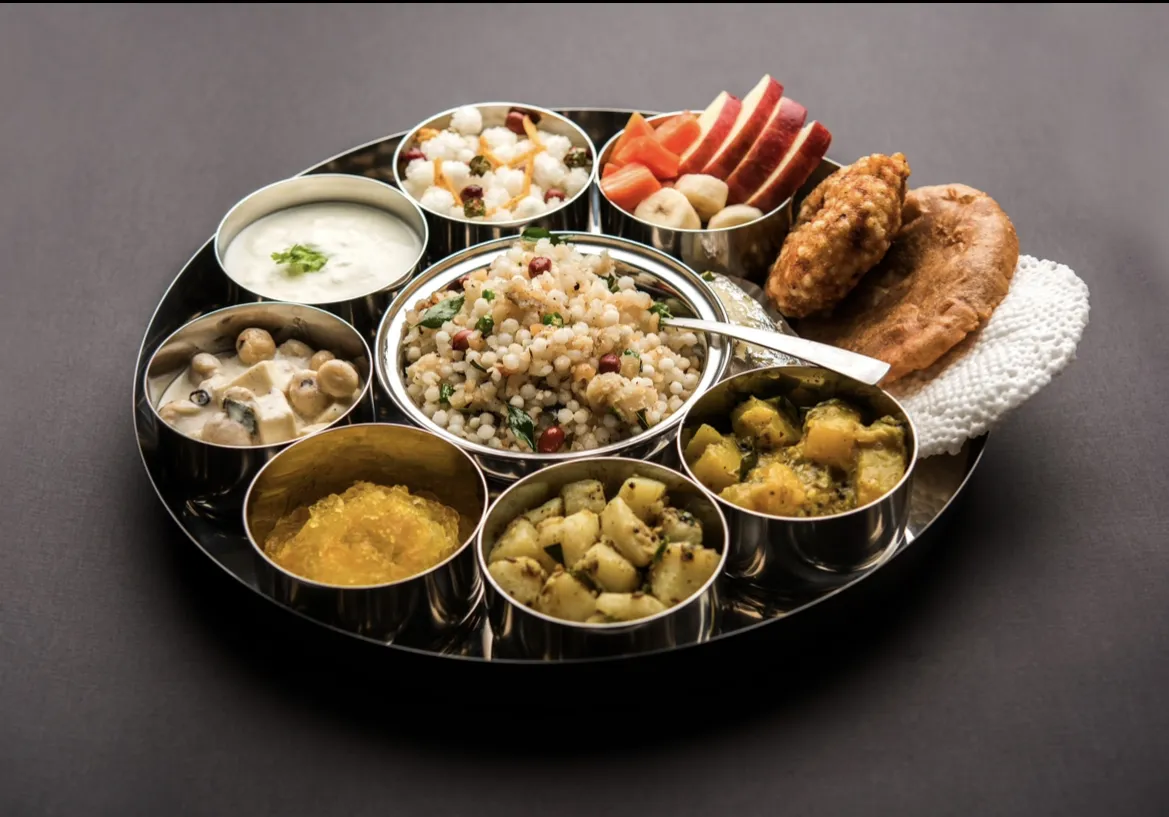
She also believes the way one observes the festival matters. “Try to be veg; if you can’t be veg, at least try not to be intoxicated with alcohol and other things. Ideally, if you could live your life being vegetarian and probably not drinking anything, that would be a better thing that you could do,” she said.
Prayer, she says, remains central to the nine days. “And I think the main thing is that you don’t forget to do your prayers during this time,” she said.
Despite a busy career, she makes an effort to observe the festival in her own way. “It means a lot; I don’t have any particular thing. I like to go for a Mata ki chauki. If I can’t go for that for any reason, then I definitely put the Akhand Jyot, which is the 24 hours in my house for 9 days, so Dussehra is also my favorite festival of Lord Ram,” she said.
Ultimately, the lesson she carries from Navratri is about faith, good actions, and staying grounded. “I think the one lesson of Navratri that we have to remember is that it is always going to be good over bad eventually; prayers will always work, and you know the universe will always respond better to the good than the bad,” she said.
“I think the main lesson we learn from Navratri is to be honest, to pray to Devi, and to live a simple, non-toxic life. When I say “toxic,” it’s toxic for our body and mind,” Munisha added.