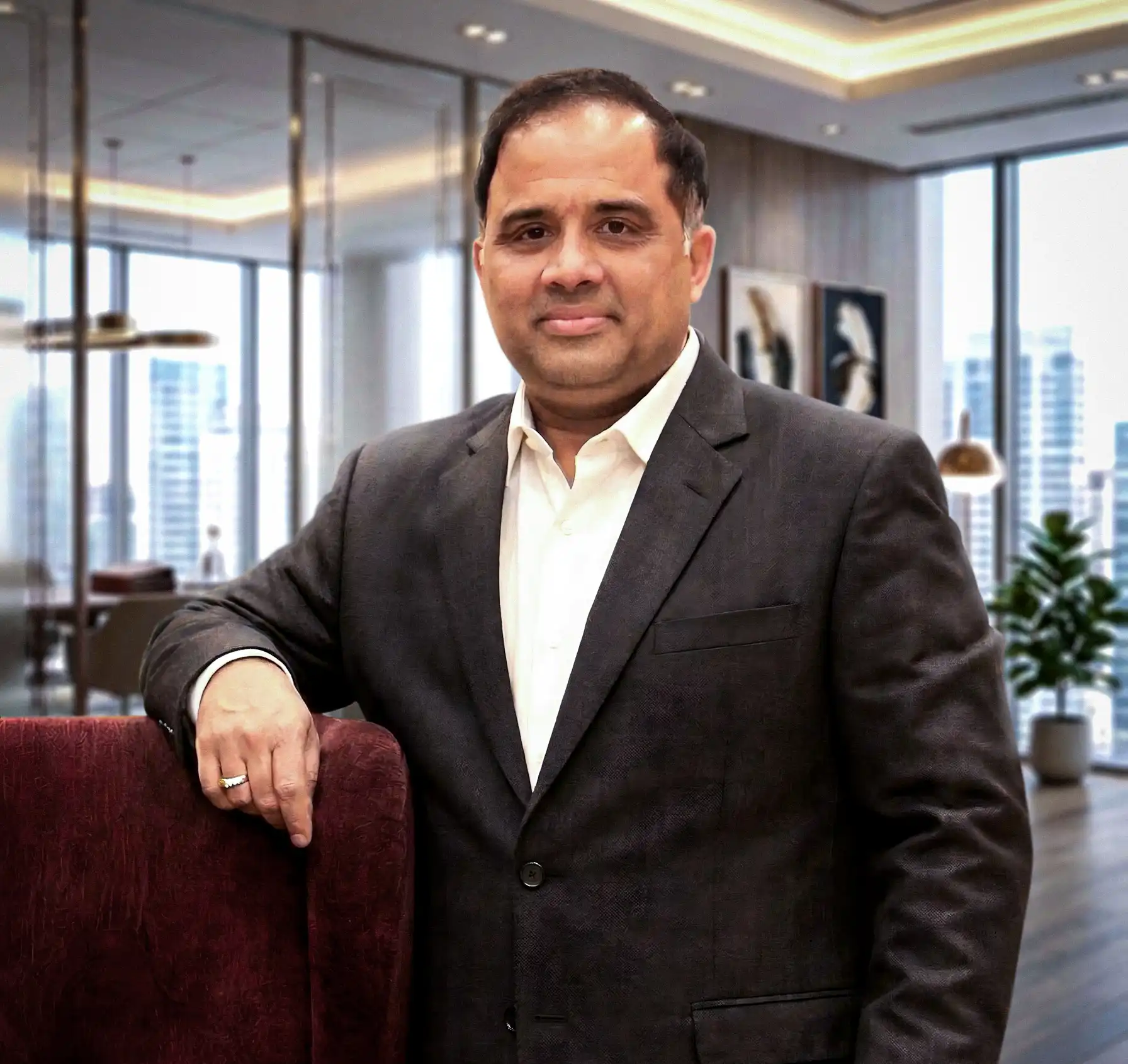
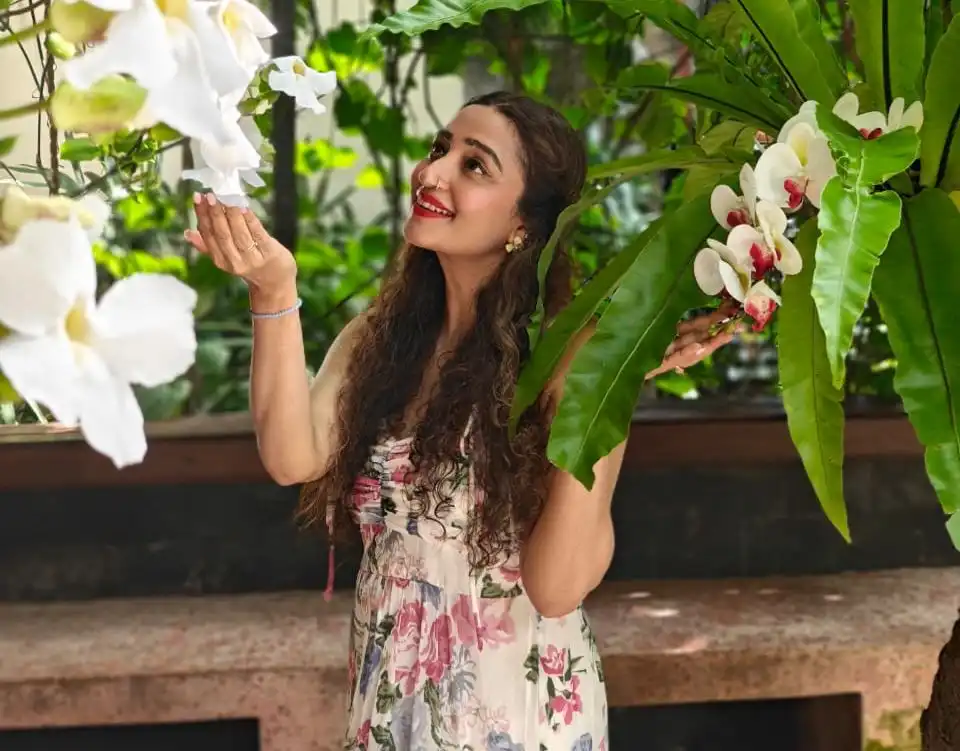
Do Dil Ek Duniya actor Pallavi Purohit grew up in the Western Ghats, surrounded by forests, environmentalists, and a father who measured life not by money but by its impact on the earth. That upbringing shaped everything. Today, with her husband leading investments at Circulate Capital, a global fund tackling plastic and waste, sustainability isn’t a cause she picked up. It’s simply the air she breathes.
Speaking on the occasion of World Environment Day, celebrated on June 5, when asked what is going wrong with the planet, she said, “You name it, and we have it: climate change, biodiversity loss, pollution of all kinds, soil degradation, resource depletion, deforestation, ocean acidification, and the ever-growing waste crisis. At the root of all these issues, I see two key drivers: population growth and the multiplier effect of consumption. Human numbers are rising, and so are our desires.”
“We want more clothes, more food options, more travel, more convenience, often sourced from places far beyond our local ecosystems. This creates unprecedented pressure on Earth’s limited resources. The trajectory we’ve set is difficult to reverse. Nature will eventually course-correct, but unfortunately, humans may face severe consequences before that happens,” she added.
Plastic, in particular, is something she understands at a level most people don’t. She said, “Plastic pollution doesn’t just create litter. It entangles and starves animals, poisons food chains, alters natural habitats such as riverbeds and soils, and contributes to climate change. What makes it especially dangerous is that it breaks down into microplastics, which are often invisible but persist for centuries. The damage is widespread, long-lasting, and much harder to clean up than most people realize.”
Her own habits come from a place that was never performative. She said, “My father, Dr M.D. Subashchandran, is an environmental scientist and a two-time Rajyotsava Prashasti awardee, and I grew up in the lap of nature in the Western Ghats among people like Padma Shri and Padma Bhushan Late Dr. Madhav Gadgil. So environmental consciousness was part of my upbringing. We were taught simple habits such as conserving electricity and water, avoiding plastic, and respecting nature. Today, my husband works with Circulate Capital, a global impact fund addressing plastic and waste challenges, so sustainability remains a constant conversation in our lives.”
“Personally, I try to limit unnecessary consumption, whether it’s food, clothing, or other purchases, and I prefer local and natural alternatives wherever possible. One of the most significant choices we’ve made is consciously deciding not to contribute further to population growth, considering the environmental pressures future generations will inevitably place on finite resources. My biggest environmental challenge remains travel, and that’s something I am actively working on improving. One lesson my father taught me that stays with me every day is this: measure every choice not by money, but by its carbon footprint,” she added.
When it comes to 2050, she believes if we don’t start now, it will be too late.She said, “2050 is not far away. If pollution continues unchecked, we could find ourselves surrounded by waste, facing unbearable heat, declining public health, increasing conflicts over resources, more frequent natural disasters, severe water scarcity, disappearing marine life, and even the loss of entire cities.”
“Life could become significantly harder and sadder for future generations. The consequences of our actions may arrive much sooner than we expect,” she added.
She draws experience from her personal life to talk about the earth, and said, “As an actor, I often joke that I get paid to pretend for a living. But this isn’t a movie. There is no director who will yell ‘cut’ when oceans fill with plastic or forests burn down. This is our only take. Every character I’ve portrayed has faced a choice, whether to run or fight, give up or act. Today, Earth is presenting us with that same choice. Pollution, climate change, and species extinction are not special effects; they are real. But the ending of this story has not been written yet.”
“On World Environment Day, I would say we don’t need more heroes on screen, we need them in real life. Be aware of the consequences of your actions. Consume less, be more content, slow down population growth, and teach future generations to live responsibly. Most importantly, as my life experiences have taught me: ‘Just grow the range of your sensitivity beyond yourself, your home, and your family to the Earth at large. The rest will come from within’.”