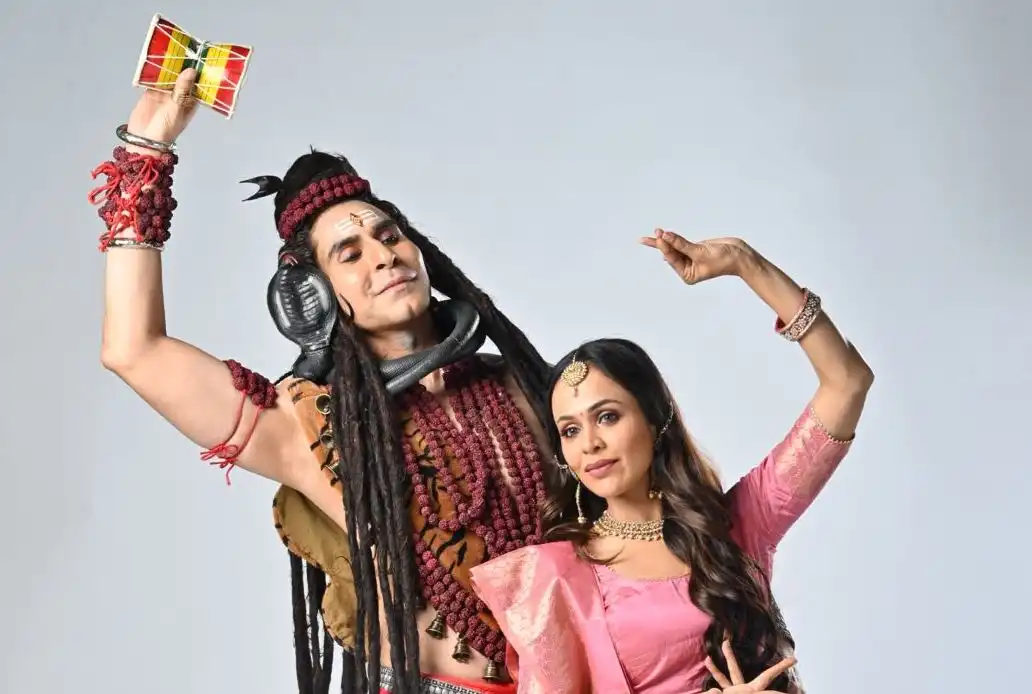

For dancer and choreographer Sandip Soparrkar, playing Lord Shiva in Shiv Shakti: Ek Divya Pranay Katha requires more than recreating the familiar image of a revered mythological figure. His preparation involves understanding the character’s philosophy, physicality and emotional depth. “There are moments during rehearsal when I stop thinking about the character from the outside and begin to experience the scene from within. Those moments are very special for an actor,” he said. The role, he explained, makes him conscious of the qualities associated with Shiva. “When I step into the world of Lord Shiva, I become conscious of the stillness, the strength and the immense sense of responsibility associated with portraying him,” he said. He tries to look beyond the familiar visual symbols associated with the deity. “I remind myself that Shiva is not merely an iconic image with a trident, matted hair and a third eye. There is a vast philosophical world behind that image,” he said. His background in dance helps him express the character through movement. “My background in dance helps me enormously because movement has always been one of my primary ways of expressing emotion,” he said. Whether portraying the energy of the Tandava or the calm of meditation, he wants his body language to reflect Shiva’s inner state. “Whether it is the power of the Tandava or the calmness of meditation, the body must communicate the character’s inner state,” he said. His preparation also includes working on silences, expressions and interactions with other characters. “During rehearsals, I work on the physicality of Shiva, but I also pay attention to his silences, his gaze and the way he responds to the other characters,” he said. Ultimately, Sandip wants audiences to see both the powerful and personal sides of the character. “I want the audience to see both his cosmic power and his deeply personal emotions,” he said. Playing a figure so deeply revered in Indian culture has also made him more conscious of the responsibility involved. “When you portray a figure so deeply revered in Indian culture, you become aware that you are carrying something meaningful for millions of people,” he said.
He is clear about the distinction between portraying a deity and claiming to embody one. “I do not believe an actor can become Lord Shiva, of course. But I can sincerely attempt to understand his qualities and bring them to the stage with honesty, discipline and devotion to the craft,” he said. He is encouraged by the growing interest in mythological theatre, particularly when productions offer audiences something to think about beyond the spectacle. “I think the growing interest in mythological theatre is encouraging because it reflects an audience that wants entertainment with substance,” he said. Indian mythology, he believes, offers stories that can speak to contemporary audiences without losing their cultural roots. “These narratives explore ambition, sacrifice, duty, love, justice, courage and the consequences of our choices,” he said. “They can be interpreted in ways that speak to contemporary life without losing their cultural essence,” Sandip said.