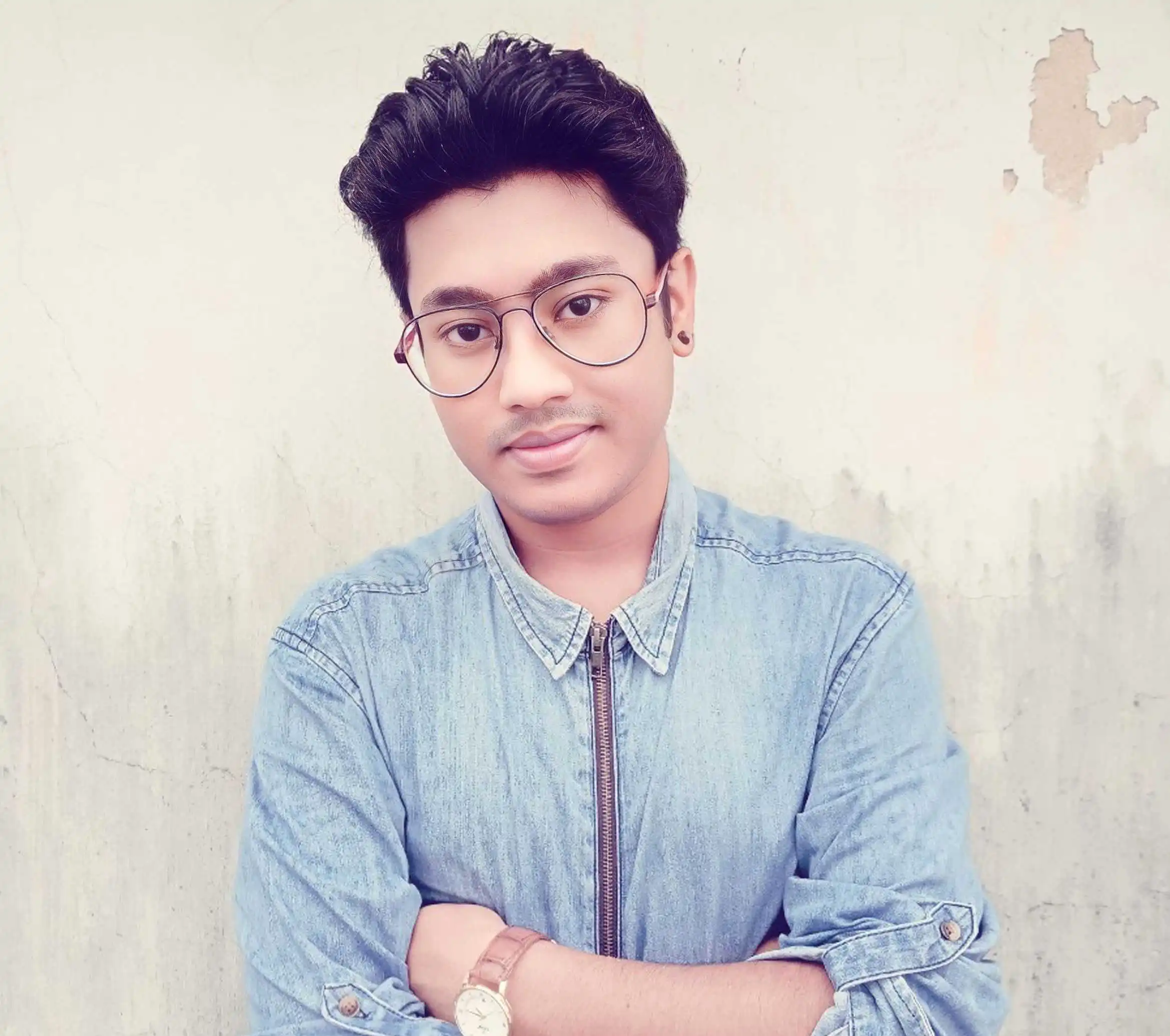
Susovan Sonu Roy doesn’t view cinema as a departure from television, he sees it as an opportunity to discover another side of himself as a performer. In this conversation, Roy speaks about his transition from dance and modelling to acting, the challenges that shaped him, his mother’s unwavering support, and why patience and consistency remain central to his journey.
What first drew you to acting, and how did your journey into Bengali television begin?
I think my interest in acting developed naturally through my background in dance and stage performances. I started my career as a trained Western dancer, and over time, I became increasingly curious about acting and the opportunity to explore different characters and emotions. My television journey began in 2019 with Anandamoyee Maa on Akash Aath, where I played a Vaishnav devotee. It was my first experience working in television, and it gave me the opportunity to understand the craft more deeply and discover myself as an actor.
Before becoming an actor, you were associated with dance and modelling. How did those experiences prepare you for acting?
Dance and modelling gave me a strong foundation in confidence, discipline and stage presence. Dance taught me how to communicate emotions through movement and expressions, while modelling made me comfortable in front of the camera and taught me how to carry myself professionally. Both experiences helped me understand body language and performance, which became very valuable when I moved into acting.
Your television journey includes shows such as Anandamoyee Maa, Mohor, Korapakhi, Titli, Khelaghar and Jamuna Dhaki. Looking back, how do you think television shaped you as an actor?
Television has played a very important role in my growth as an actor. Each of these shows gave me the opportunity to work with different characters, situations and co-actors, and every experience added something to my understanding of the craft. Television also taught me the importance of discipline, consistency and being prepared every day. Looking back, I feel those years gave me the confidence and experience I needed to take on new challenges.
Dance and modelling gave me a strong foundation in confidence, discipline and stage presence.
Which character or project pushed you furthest outside your comfort zone?
I would say Anandamoyee Maa pushed me the furthest outside my comfort zone because it was my first television project, and I was playing a mythological character. It was a completely new experience for me. A character like that requires a certain calmness, patience and understanding of the emotions behind the role, as well as the right body language and presence. It was challenging, but it gave me a wonderful learning experience and helped me become more confident as a performer.
Your film debut marks an important transition in your career. What were your biggest expectations—and fears—before facing the camera for cinema?
Before facing the camera for cinema, I was excited because it was a completely new phase in my career. At the same time, there was a little nervousness because the process and working environment of films can be quite different from television. More than anything, I wanted to learn, enjoy the experience and give my best to the character. I saw it as an opportunity to challenge myself and grow as an actor.
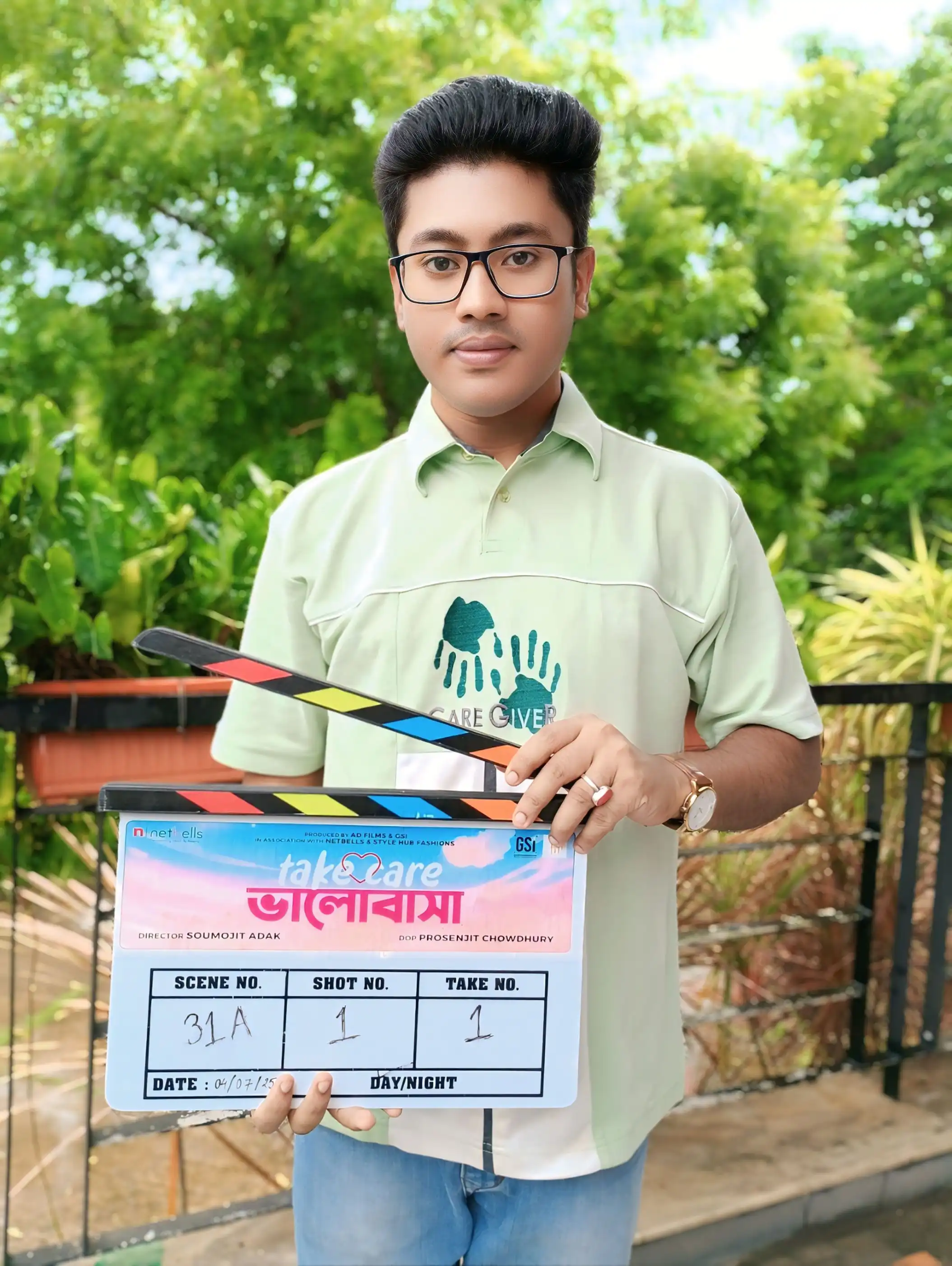
When you look back at the journey from Bengali television to cinema, what was the biggest turning point for you?
I think the biggest turning point was getting the opportunity to make my film debut in Take Care Bhalobasa after spending several years working in Bengali television. Playing Joy gave me a new space to explore myself as an actor. Television gave me the experience, discipline and exposure I needed, while cinema allowed me to approach performance from a different perspective. Moving into films felt like a natural progression in my journey and, at the same time, the beginning of a new chapter.
Do you see yourself continuing to work across television and cinema, or is your focus now primarily on films?
I would definitely like to continue working across television, cinema and web series. For me, the medium is less important than the character and the story. I’m open to opportunities that allow me to explore something different and grow as a performer. Cinema is an exciting new chapter for me, and I would also love to explore more web projects while continuing my connection with television.
Your mother has played an important role in your journey. What has her support meant to you?
My mother has always been one of the strongest sources of support in my life. She encouraged me to follow my passion and stood by me through every stage of my journey. There have been challenging moments, as there are in every career, and her belief in me has always given me the strength to keep moving forward. Whatever I have achieved so far, her support and encouragement have been an important part of that journey.
What is one lesson from your early struggles that you still carry with you today?
One of the biggest lessons I’ve learned is the importance of patience and consistency. Things don’t always happen according to your timeline, and there can be periods when you question your progress. But I believe every experience, including the difficult ones, has something to teach you. I’ve learned to trust the process, keep working on myself and stay committed to what I want to achieve.