

For most of fashion history, a beautiful bag meant an animal paid for it. That was just the deal - accepted quietly, rarely questioned. But in the last few years, something has shifted. Materials made from apples, cacti, and mushrooms are showing up not as novelty experiments but as real, carry-every-day alternatives. And honestly? They’re better than most people expect.
I started Mir Kash because I couldn’t find a bag I actually wanted to buy. Everything I loved was leather. Everything that wasn’t leather felt like it was apologising for the fact. That gap - between beautiful and guilt-free - is exactly where plant-based materials are starting to close in.
Apple leather: waste, reimagined
Apple leather is made from the skin and core left over after the juice and food industries have taken what they need. That pulp gets dried, ground, and combined with a base fabric to create a material that looks and feels remarkably close to the real thing - supple, structured, ages with use.
At Mir Kash, this is what we build with. The apple leather we source is a byproduct of Italy’s fruit industry - material that would otherwise end up as landfill. There’s something that makes sense to me about that: the most beautiful bag I can imagine is one that started as someone’s leftover lunch.
The texture has a slight grip to it. It holds its shape. Under the Braidey’s compression braid - a technique we spent six months developing - it behaves like a material that was always meant to be worked this way.
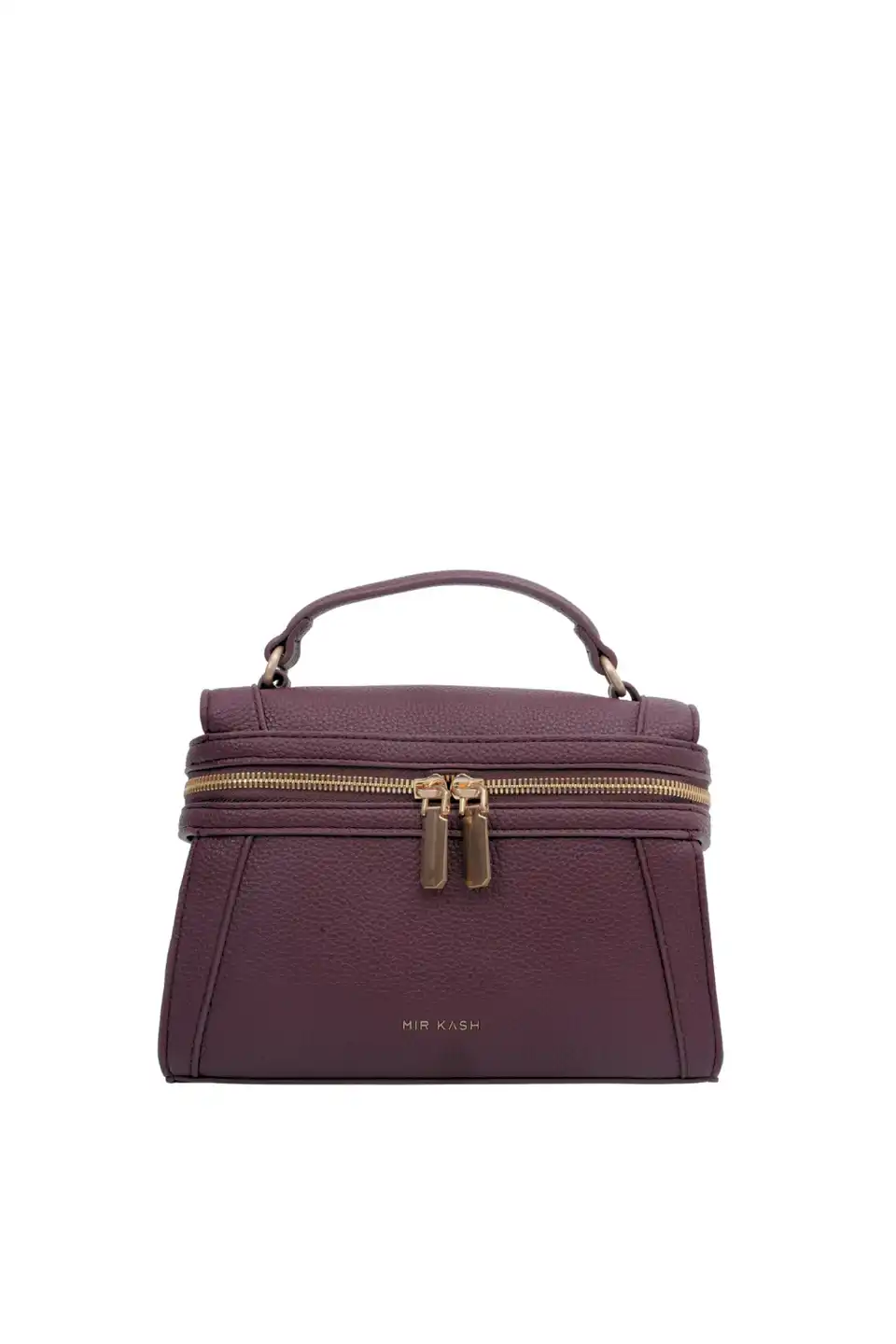 The Charlotte is Mir Kash’s classic — a crossbody bag
Cactus leather: built for harsh conditions
Nopal cactus, grown in Mexico, needs no irrigation and pulls carbon from the air as it grows. The leather made from it - developed by a brand called Desserto - is soft, flexible, and certified free of toxic chemicals. It’s being used by labels across Europe and the US, from small independents to legacy houses quietly road-testing alternatives.
What makes cactus leather interesting structurally is its durability. It doesn’t crack the way early vegan leathers did. It handles humidity and sun. For bags that travel, that matters.
Mushroom leather: the one everyone’s watching
Mycelium - the root system of fungi - can be grown into almost any shape in a matter of days. Compressed and processed, it becomes a dense, leather-like material that is fully biodegradable.
The challenge is scale. Mycelium leather is still expensive to produce at volume, and consistent quality across large batches is an ongoing problem. But the technology is moving fast. Within a decade, it’s likely to become a standard option.
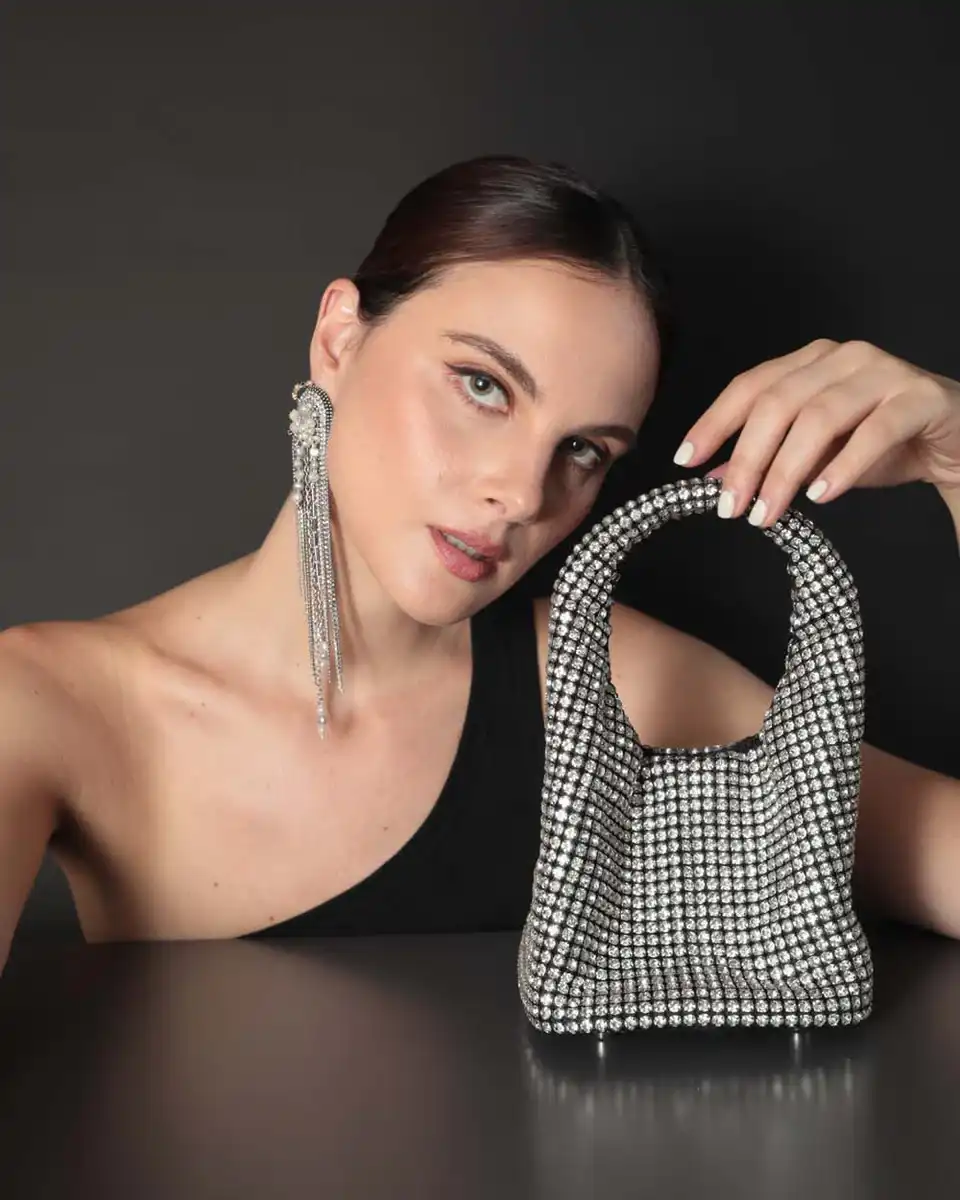 Crafted from apple leather and encrusted with high-quality rhinestones
Why this matters beyond fashion
The global leather industry is one of the most resource-intensive in the world. It is tied directly to cattle farming, to land use, to water consumption, to the chemicals used in tanning. A single cow-leather bag carries an environmental cost that most people never see on the price tag.
Plant-based materials don’t eliminate every problem - they still require processing, often use a petroleum-based backing, and have their own supply chain considerations. But they are, in almost every measurable way, significantly less harmful. And they’re getting better faster than conventional leather has changed in centuries.
What I want people to know
When I tell someone my bags are made from plant leather, the first question is usually: does it last? The answer is yes - with the same basic care you’d give anything you carry daily. The second question is whether it looks cheap. The answer is no, and that you should see for yourself.
The era of choosing between beautiful and responsible is ending. These materials are proof. The handbag you carry every day doesn’t have to cost the world something it can’t give back.
That, more than anything, is why Mir Kash exists. Find us at mirkash.in or on Instagram and Pinterest @mirkashco.